
You saw “ayo” pop up in a text or comment and something about it felt slightly off, maybe excited, maybe confrontational. That one word carries a lot of weight depending on who sends it.
This guide breaks down exactly what AYO means, how tone and punctuation flip its meaning entirely, and when you should or shouldn’t use it yourself.
You’re Here Because Something Felt Off
You read the message twice. Was that friendly? Was that an attitude? “Ayo” does that to people, since it’s one of those words that carries almost no fixed meaning on its own.
The truth is context does all the heavy lifting here. Same word, completely different message depending on what surrounds it.
Ayo meaning in chat
In most chats, “ayo” functions as a casual attention-grabber, similar to saying “hey” or “yo” but with more energy behind it. It’s an interjection used to open a message, react to something surprising, or call someone out playfully.
- Used to start a conversation with energy
- Signals excitement, shock, or mild alarm
- Can precede good news or bad news equally
Ayo meaning from a girl
When a girl sends “ayo,” it typically mirrors general usage rather than carrying hidden romantic meaning. She’s reacting to something, calling attention to a topic, or opening a message casually.
Tone still depends heavily on what follows. “Ayo you good?” reads as concern, while “Ayo look at this” reads as pure excitement.
Ayo meaning on Instagram
On Instagram, “ayo” shows up constantly in comment sections and DMs, usually reacting to a post, photo, or video that caught someone’s attention immediately.
It often works as a hook, something people type before adding their actual reaction or opinion underneath.
Breaking Down What’s Really Happening
At its core, “ayo” is a variant of “yo,” itself rooted in African American Vernacular English and hip-hop culture before spreading broadly across internet slang.
It’s not tied to one single emotion. Instead, it acts as a verbal flag, alerting the reader that something worth noticing follows immediately after.
Real Conversations Where This Pops Up
Here’s how “ayo” typically shows up in everyday digital conversations across different situations and platforms.
- Reacting to unexpected news from a friend
- Calling out something funny or ridiculous
- Opening a message before sharing a link or photo
- Expressing mild shock at someone’s behavior
Punctuation Changes Everything (Pay Attention Here)
Punctuation transforms this word almost entirely, which is something most guides skip over completely.
| Punctuation | Likely Meaning | Example |
| Ayo. | Serious, calling someone out | “Ayo. That’s not okay.” |
| Ayo! | Excited, hyped reaction | “Ayo! We won!” |
| Ayo? | Confused or questioning | “Ayo? What happened here?” |
| ayo | Casual, low-key energy | “ayo wyd later” |
A single period after “ayo” often signals irritation or a serious follow-up, while an exclamation point almost always signals hype.
Skip This Word in These Situations
Certain contexts make “ayo” feel out of place or unprofessional.
- Job applications or workplace emails
- First messages to someone you don’t know well
- Formal customer service exchanges
- Academic writing or school assignments
Sticking to casual, familiar conversations keeps the word from landing awkwardly.
Other Ways to Say the Same Thing
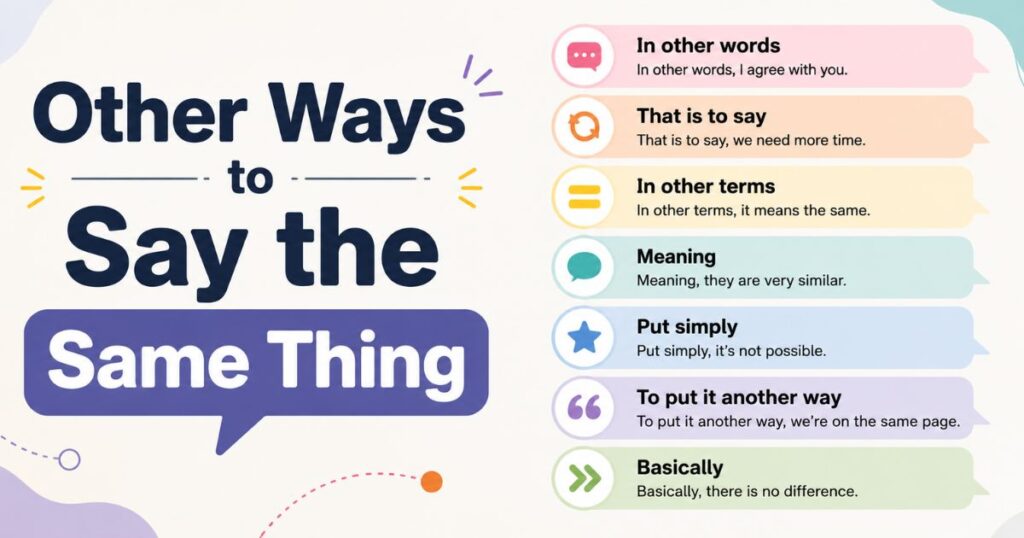
Several alternatives carry similar energy depending on the situation.
- Yo: simpler, slightly less intense version
- Hey: more neutral, works in most contexts
- Whoa: better for pure shock reactions
- Bro: often paired with ayo for emphasis
Example Messages People Actually Send
Real examples show how flexible this word gets across different tones and situations.
“Ayo did you see the score last night?”
“Ayo that’s crazy, no way that actually happened.”
“Ayo can you send me the notes from class?”
“Ayo hold on, let me explain what happened.”
“Ayo this is actually insane, look at this.”
Different Platforms, Different Vibes
Each platform shapes how “ayo” gets used and interpreted slightly differently.
| Platform | Common Usage |
| Comment reactions, DM openers | |
| TikTok | Reaction comments under trending videos |
| Snapchat | Quick check-ins, casual openers |
| Twitter/X | Reply threads, reactions to posts |
Gaming chats and Discord servers also use “ayo” heavily, often as a group reaction to something happening in real time.
Mistakes Everyone Makes With This One
A few common missteps trip people up when using this slang term.
- Using it in formal or professional messages accidentally
- Misreading tone without checking punctuation or context
- Assuming it always means excitement when it can signal concern
- Overusing it until it loses impact in conversation
Reading the full message before reacting helps avoid misinterpreting the intended tone.
Frequently Asked Questions
What does ayo mean in text?
It’s a casual interjection similar to “hey” or “yo,” used to grab attention or react to something.
Does ayo mean something bad?
Not inherently, though tone and punctuation can shift it toward concern or confrontation.
Is ayo flirty?
It can be playful depending on context, but it’s not inherently romantic or flirtatious on its own.
Where did ayo come from?
It originates from AAVE and hip-hop culture before spreading into mainstream internet slang.
Can ayo mean something bad happened?
Yes, especially when paired with a period or followed by concerned phrasing.
Is ayo the same as yo?
They’re closely related, though “ayo” often carries slightly more energy or urgency.
Should I use ayo in work emails?
No, it’s strictly casual slang and doesn’t fit professional or formal communication.
Conclusion
“Ayo” is a flexible, energy-driven word that shifts meaning based on punctuation, tone, and surrounding context. It works well in casual chats but doesn’t belong in formal settings. Paying attention to how it’s punctuated helps you read the real intent behind the message every time.
