
You just thanked someone, and they replied “yww” instead of the usual “yw.” Now you’re wondering if that extra letter changes the meaning entirely.
Most slang guides treat every acronym like it has one fixed definition. Real texting doesn’t work that way. YWW usually means “you’re welcome,” but the tone, sender, and platform all shape what it’s actually communicating in that moment.
You’re Staring at Those Three Letters Right Now
Maybe you just got a “yww” reply and paused before responding. That pause is normal. The extra W isn’t a typo or a slip of the finger.
It’s a small, intentional choice that changes how the message feels compared to a plain “yw.”
The Real Feeling Behind It
When someone types “yww,” they’re saying “you’re welcome” but with a smile behind it. That extra letter adds warmth on purpose.
It’s similar to the difference between “thanks” and “thank youuu.” The stretched-out version simply feels friendlier and more genuine than the short, flat original.
- Signals the person was actually glad to help
- Softens what could otherwise feel like a cold, quick reply
- Adds a bit of personality to an otherwise routine response
YWW Meaning in Text from a Girl
When a girl replies “yww,” it often reads as friendly warmth rather than anything deeper. It shows she appreciated being thanked and wanted her reply to feel less robotic.
Context still matters. Paired with exclamation points or a longer message, it can lean more affectionate. On its own, it usually just signals genuine friendliness.
YWW Meaning in Text from a Guy
From a guy, “yww” often carries a similar meaning but can feel more casual or joking depending on the friendship. It’s less about deep emotion and more about keeping the exchange light.
Between close friends, it’s rarely overthought. It simply means the favor felt small and easy to help with.
What Does YW Mean in Text
“YW” is the standard, shorter version of “you’re welcome.” It’s neutral, quick, and works in almost any casual conversation without adding extra tone.
Compared to “yww,” plain “yw” can sometimes read as slightly cooler or more matter-of-fact, especially in fast-moving group chats.
Where You’ll Actually See This Pop Up
YWW shows up most often in casual digital spaces rather than formal communication. It fits naturally into quick exchanges between people who already know each other.
- Texting threads with friends or classmates
- Snapchat and Instagram direct messages
- Gaming chats and Discord servers
- Group chats among peers
Reading the Room (Because Context Is Everything)
The same three letters can feel completely different depending on who sent them. A “yww” from a close friend feels warm and easy.
The same reply from someone you barely know might feel oddly familiar or even a little confusing. Always weigh the relationship before assuming the tone.
Times You Should Definitely Skip It
There are moments when “yww” simply doesn’t fit the conversation, no matter how casual your texting style usually is.
- Responding to a serious favor, like covering someone’s shift
- Professional emails or workplace messaging
- Conversations with people who don’t use texting slang
- Formal or first-time introductions
Other Ways to Say the Same Thing
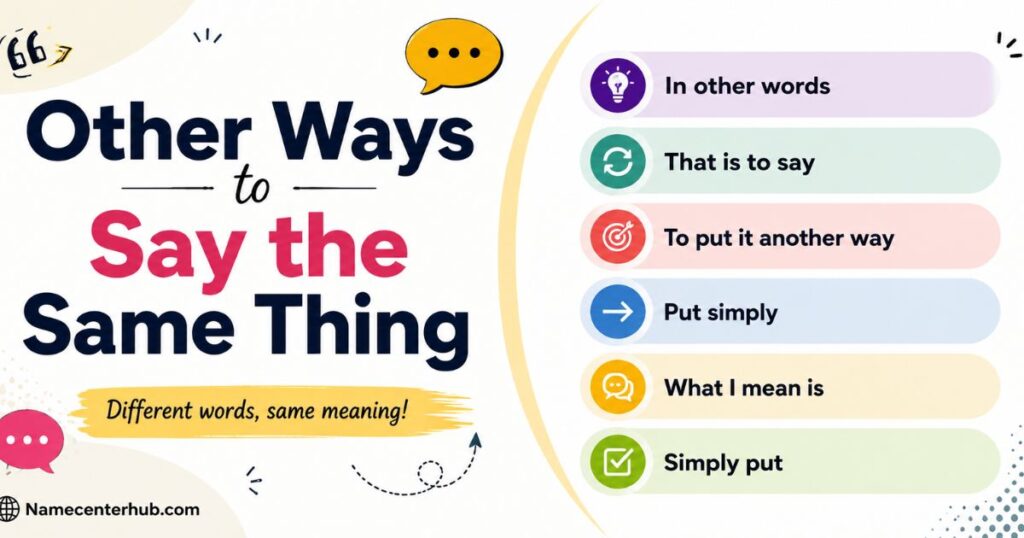
If “yww” doesn’t match your texting style, several alternatives express the same friendly acknowledgment.
- “Anytime!” – warm and open-ended
- “Of course!” – confident and simple
- “No problem at all” – slightly more formal
- “Happy to help” – genuine and clear
Quick Examples That Actually Sound Real
Here’s how “yww” naturally appears in everyday conversations:
- A: “Thanks for the notes!” B: “yww, good luck studying”
- A: “Appreciate you covering for me” B: “yww anytime”
- A: “Thanks for helping me move” B: “You’re welcome” (not yww — this favor was too big for casual slang)
Notice how the bigger favor gets a fuller response instead of quick slang.
Does It Hit Different on Snapchat vs Instagram?
Platform tone genuinely changes how “yww” is received, even though the meaning technically stays the same everywhere.
| Platform | Typical Tone | Common Usage |
| Snapchat | Playful, fast | Quick back-and-forth replies |
| Instagram DMs | Warm, personal | More common than in public comments |
| Instagram Comments | Brief, public | Often paired with emojis instead |
| Depends on group | Casual in close chats, less common at work |
Mistakes People Keep Making
A few misunderstandings about “yww” show up again and again in casual conversations online.
- Assuming it’s simply a typo of “yw”
- Using it after a major, serious favor
- Sending it to someone unfamiliar with texting slang
- Overusing it until it loses its warmth
Responding “YWW” Without Making It Weird
The safest approach is matching the energy of the person who thanked you. If their message felt warm, “yww” fits naturally as a reply.
If the conversation feels more serious or unfamiliar, a full “you’re welcome” keeps things clear without risking confusion.
Is YWW Flirty? What It Really Signals
On its own, “yww” isn’t inherently flirty. It’s a friendliness marker, not a romantic one, so most exchanges stay purely platonic.
That said, tone shifts everything. Paired with extra letters, emojis, or a longer follow-up message, it can start leaning playful or flirty between two people who already have that dynamic.
YWW vs Other “You’re Welcome” Texts
Comparing “yww” with similar replies shows exactly where it fits on the formality scale.
| Reply | Formality Level | Best Used For |
| You’re welcome | Formal | Serious favors, unfamiliar contacts |
| YW | Neutral | Everyday casual replies |
| YWW | Warm, casual | Friends, playful exchanges |
| Anytime | Warm, open | Ongoing or repeated favors |
Frequently Asked Questions
What does YWW mean in a text message?
YWW usually means “you’re welcome,” said with extra warmth compared to the standard reply.
Is YWW the same as YW?
They mean the same thing, but YWW feels friendlier and slightly more enthusiastic than plain YW.
Does YWW mean something different from a girl or guy?
Not really. The core meaning stays the same, though tone can shift slightly by relationship.
Is it okay to use YWW in a work chat?
No, it’s informal slang and better suited for casual conversations with friends.
Can YWW be flirty?
It can be, depending on context, emojis, and the existing dynamic between the two people texting.
Why do people add the extra W?
The extra letter is intentional and adds warmth, similar to stretching out “thank youuu.”
Should I use YWW after a big favor?
No, bigger favors deserve a full “you’re welcome” instead of casual slang.
Conclusion
YWW is a small texting choice that carries real meaning. It turns a routine “you’re welcome” into something that feels warmer and more genuine.
Understanding the context, platform, and relationship behind it makes replying feel natural instead of confusing, whether you’re the one sending it or receiving it.
